
Open the visual model ↗
Start with what each system can observe
An edge log can establish that an HTTP request reached the publisher's infrastructure. It can retain a timestamp, URL, response status, cache result, coarse network information, and the user agent presented by the client. That is useful for availability and request diagnostics. It does not prove that the browser received the response, executed the page, rendered a creative, placed it in view, or involved a human.
Browser code is required for render and geometry observations. A render beacon should fire only after the creative loads and enters the document. Viewability needs element geometry, page visibility, and a continuous timer. A first-party click redirect can count activations and preserve the destination, but it cannot prove intent or landing-page arrival. The advertiser alone usually observes the resulting sign-up or sale. Keep the source attached to each event and never promote one system's capability into the next rung.
Source notes: Mobile Viewable Impression Measurement Guidelines
Draw the build-versus-buy boundary around capability
A small publisher can reasonably build a direct-placement decision, approved creative storage, a render beacon, a viewability timer based on browser standards, a signed click redirect, basic routine-traffic filters, and versioned campaign reports. Those components are bounded and support a few direct products. The publisher should still document methodology, access controls, data retention, and failure behavior before treating the counts as invoice evidence.
Do not build an auction marketplace, consent-management product, cross-site identity graph, sophisticated invalid-traffic detector, malware scanning service, or independent accreditation program. Those systems need changing standards, broad data, audits, and continuous specialist operations. Buy or use a qualified provider only when a real commercial requirement justifies it. A feature belongs in the stack because it solves an observed need, not because a large publisher uses it.
| Capability | Default | Reason |
|---|---|---|
| Direct campaign decision and fallback | Build small | Bounded rules and direct control |
| Render, viewability, and click events | Build for internal/direct use | Browser and server observations can be documented |
| Routine bot and duplicate filters | Build basic controls | Useful hygiene, explicitly limited |
| Programmatic auction and demand | Buy | Marketplace access and continuous protocol operations |
| Consent platform | Buy where required | Legal, policy, vendor-list, and interoperability change |
| Sophisticated invalid-traffic detection | Buy when required | Needs broad signals, expertise, and often accreditation |
Source notes: Introduction to Header Bidding · IAB/ABC International Spiders & Bots List
Quality assurance begins before launch
Create a campaign from an approved order, then traffic each line item with an explicit placement, flight, time zone, price basis, goal, priority, targeting rule, cap, and fallback. Review creative dimensions, file weight, HTTPS assets, motion, accessible name, click destination, advertiser category, disclosure label, and every third-party tag. Record the reviewer and decision. A rejected or replaced asset should remain in audit history without remaining eligible to serve.
Test the event ladder with controlled cases: a normal render, a blocked asset, navigation before load, a background tab, a duplicate beacon, a click without a render, a prefetch, a suspected bot, an expired campaign, and a no-fill fallback. Reconcile browser beacons with edge and redirect logs without assuming they should match. Then run page-experience cases on slow mobile conditions, keyboard navigation, reduced motion, and common viewport sizes.
- Verify eligibility at flight boundaries and in the campaign time zone.
- Prove that no event is counted twice after retries or back/forward navigation.
- Ensure denied or unavailable consent prevents ineligible vendor calls.
- Trigger the partner and creative kill switches during a test flight.
- Compare a frozen report with a recomputation from the retained event set.
Source notes: Web Vitals · Standard Terms and Conditions for Internet Advertising for Media Buys One Year or Less, Version 3.0
Close the campaign as a ledger
Campaign completion is more than stopping delivery. Freeze the final event window, apply documented filters, produce delivery by line item and creative, and record any gap against the order. If the campaign underdelivered, use the remedy agreed in the order: a makegood, substitute placement approved by the buyer, credit, or another written resolution. Keep a separate version for any later correction.
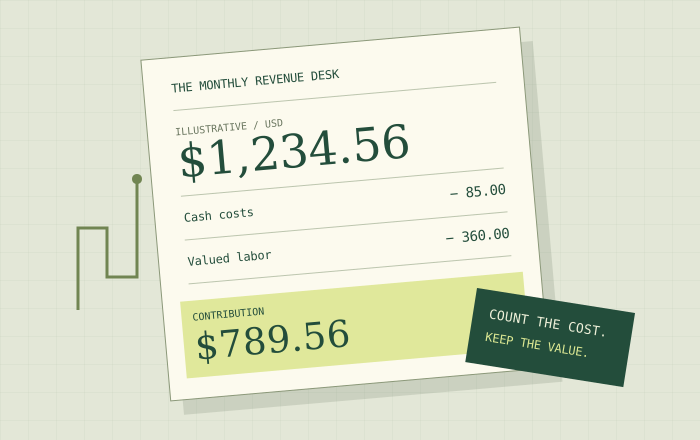
Reconcile the commercial record as well: contracted amount, delivered basis, approved adjustments, invoice, payment status, and the hours spent selling and operating the campaign. That last figure belongs in future pricing. The result is a small, explainable system whose limits are visible. It is enough to learn from direct campaigns without pretending to be an accredited ad-tech platform.
Source notes: Standard Terms and Conditions for Internet Advertising for Media Buys One Year or Less, Version 3.0
From the original source
Look at the actual material.
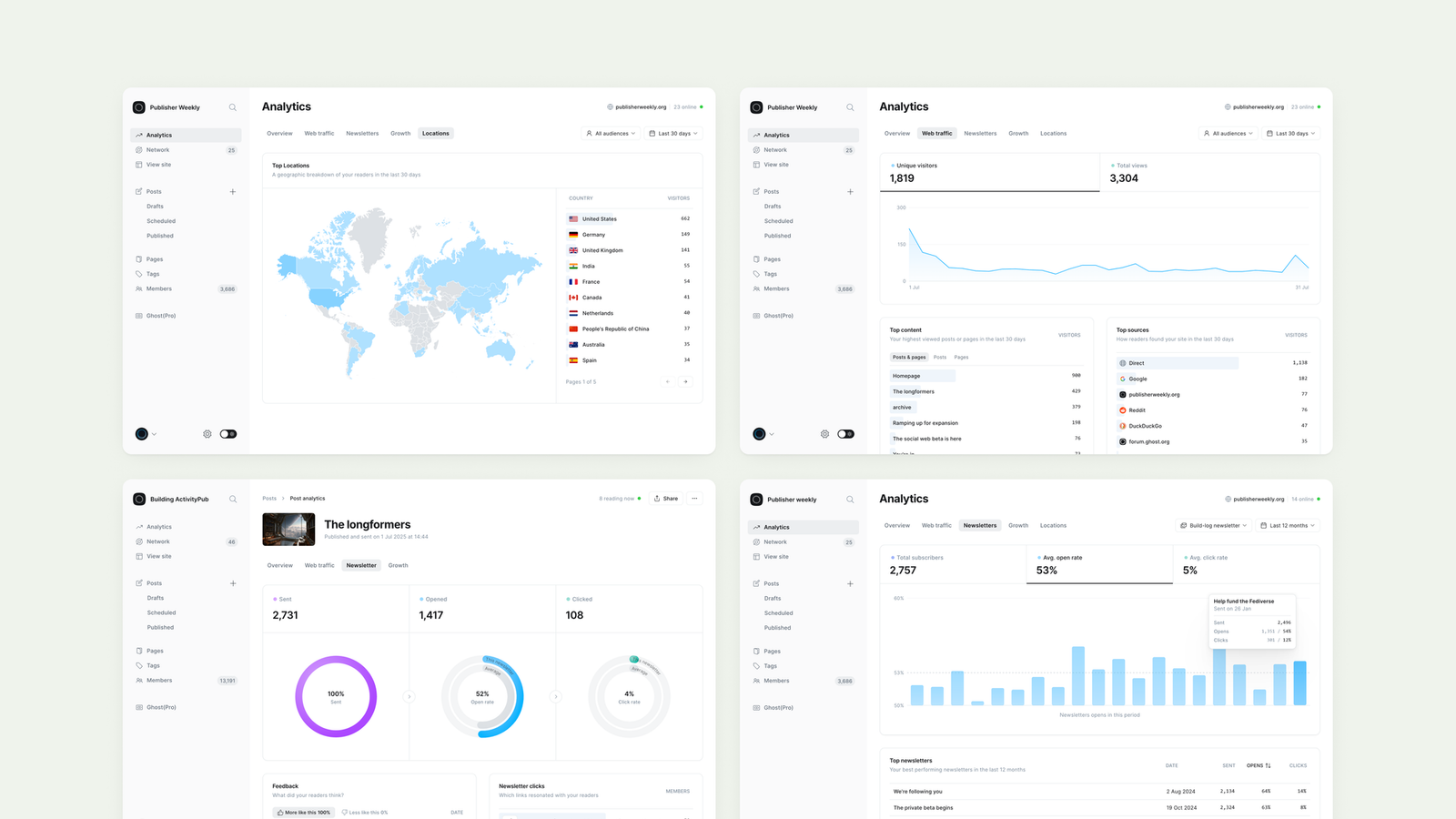
Open the image for a closer view. Platform examples document the interface at the source date; they do not establish earnings or outcomes for this publication.
Sources & limits
This is an operating boundary for a small direct-sales program. It does not establish accreditation, prove human attention, or describe an implemented Sprigpost architecture.
Adapted from supplied research. See the evidence and review method. Section source notes identify supporting references; operational suggestions remain editorial judgment.
- Mobile Viewable Impression Measurement Guidelines
Measurement standard · Publication date not stated · Primary source checked · 15 September 2026 - Introduction to Header Bidding
Open-source project documentation · Publication date not stated · Primary source checked · 15 September 2026 - IAB/ABC International Spiders & Bots List
Industry resource · Publication date not stated · Cited by supplied research; independent recheck pending · 15 September 2026 - Web Vitals
Platform documentation · Publication date not stated · Primary source checked · 15 September 2026 - Standard Terms and Conditions for Internet Advertising for Media Buys One Year or Less, Version 3.0
Industry standard terms · Publication date not stated · Primary source checked · 15 September 2026
Source claims and editorial judgments remain separate. Send a correction with the passage and supporting evidence.