Open the visual model ↗
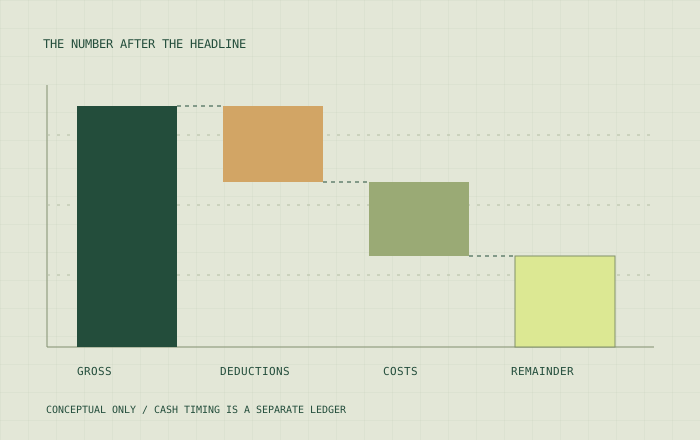
Plan capacity before promising a cadence
The supplied twelve-week calendar assumes a staffed editorial operation, development time, outside reviewers, and a research panel. It is a proposed sequence, not this site’s launch schedule or an instruction to recruit people. Preserve its dependency logic: define the publication’s promise, establish maintained references, then release original findings when the data is ready.
A smaller team should scope the work to available capacity. A delayed research report is more credible than a scheduled report that quietly swaps a proposed sample for invented findings. Allow time for source verification, correction, and maintenance when deciding how much new work to commission.
| Stage | Work to complete | What it does not prove |
|---|---|---|
| Foundation | Definitions, evidence standards, working guides, source register | Audience demand or revenue |
| Listening | Questions and optional consent-based reader feedback | A representative survey |
| Original research | A documented protocol, actual data, limitations and review | Universal benchmarks |
| Distribution | A useful summary and links appropriate to each channel | Guaranteed growth |
| Maintenance | Owners, change triggers, correction records and review capacity | An automated newsroom already running |
Review on a trigger as well as a calendar
Different pages age for different reasons. A statutory change can invalidate a jurisdiction paragraph. A vendor revision can invalidate an eligibility row. An experiment can remain accurate as a historical record while no longer representing current conditions. Keep the event date, source date, preparation date, and actual publication date distinct.
| Content | Trigger | Editorial response |
|---|---|---|
| Policy or legal reference | New operative text or regulator guidance | Verify scope, effective date, affected passages and qualified-review needs |
| Vendor comparison | Terms, thresholds, pricing or product change | Recheck comparable fields and preserve earlier-version context |
| Measurement guide | Definition or counting-method change | Revise denominators and explain comparability breaks |
| Case or experiment | New evidence or follow-up data | Add the result and its limits without rewriting history |
| Evergreen guide | Scheduled review or a material reader correction | Check sources, examples, links and unresolved questions |
Measure usefulness without manufacturing certainty
The strategy proposes indicators beyond pageviews: useful replies, successful decisions, external references, returning tool use, correction quality, and freshness. These require defined collection methods and privacy-aware implementation before they can appear as metrics. A desired target is not a benchmark.
An AI-answer audit should record the questions, systems, date, evaluation rubric, and variability. Seeing a citation is evidence of that output, not a measurement of machine trust. A traffic chart needs a stable denominator and an explanation of bots, missing observations, and changing panels.
Maintain an honest change log. Correct material errors prominently, retire superseded advice with an explanation, and show which guides need renewed review. This preview has no scheduled source monitor, active subscriber list, or original benchmark panel.
From the original source
Look at the actual material.
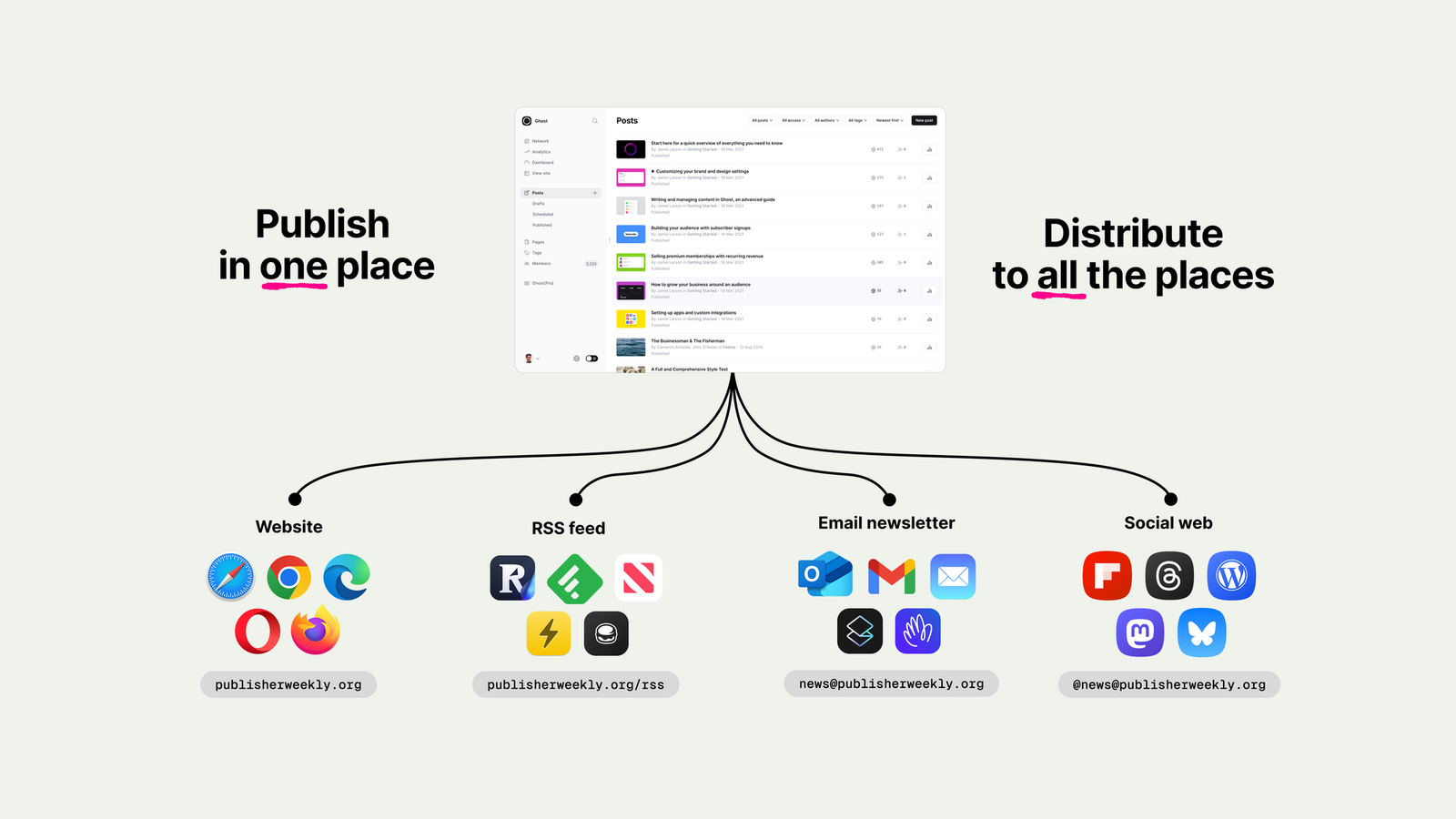
Open the image for a closer view. Platform examples document the interface at the source date; they do not establish earnings or outcomes for this publication.

Sources & limits
Cadences, newsletter targets, staffing, research panels, and automated watchlists in the source are proposals. No outreach, automation, analytics, or email campaign was activated.
Adapted from supplied research. See the evidence and review method. Section source notes identify supporting references; operational suggestions remain editorial judgment.
- Google Search Central: AI features and your website
First-party search documentation · Publication date not stated · Primary source checked · 15 September 2026
Source claims and editorial judgments remain separate. Send a correction with the passage and supporting evidence.